
Executive Overview
In today’s fast-changing digital environment, IT solutions are no longer a luxury for businesses looking to stay ahead—they are foundational infrastructure. As organizations navigate shifting market demands, relying on manual processes, isolated legacy programs, or uncoordinated workflows creates systemic friction that slows down growth.
Deploying a comprehensive IT infrastructure transitions a company from a reactive stance to an agile, tech-driven operation. From early-stage startups to massive corporate enterprises, integrating modern digital systems optimizes daily productivity, safeguards institutional assets, and clears a straight path for sustainable scaling.
The Strategic Risk: The Vulnerabilities of Under-Automated Operations
Failing to adopt modern, integrated technological solutions exposes a growing company to several structural risks:
- Operational Bottlenecks: Manual data tracking and repetitive administrative tasks consume valuable employee hours and introduce a high margin of human error.
- Data Vulnerability: Storing critical operational or client metrics on unencrypted local drives or physical files increases the risk of data loss, theft, and devastating system failures.
- Stagnant Customer Retention: Modern consumers demand rapid, frictionless service. Lacking integrated, responsive touchpoints leads to slow turnaround times and diminished brand loyalty.
Core Pillars of High-Impact IT Solutions
A tailored digital ecosystem transforms fragmented operations into a unified, high-performance command center by focusing on key functional areas.
1. Automation of Redundant, High-Volume Workflows
- Manual data entry, inventory tracking, and client data processing can be completely streamlined using smart business applications.
- By transferring repetitive workflows to automated systems, companies reduce operational errors and accelerate cycle times across all departments.
- This operational efficiency frees up internal teams to step away from administrative paperwork and pivot entirely toward core business generation and strategic initiatives.
2. Enterprise-Grade Security and Risk Mitigation
- With digital threats growing increasingly sophisticated, ad-hoc security measures are no longer sufficient to protect proprietary corporate information.
- Modern IT frameworks embed multi-layered cybersecurity protocols directly into your network and application architectures.
- Implementing routine vulnerability testing, robust encryption standards, and secure third-party API configurations ensures that sensitive company data and consumer records stay protected against unauthorized access.
3. Scalable Architecture Designed for Long-Term Growth
- A major limitation of legacy software is its inability to expand alongside a company's growing transactional and user volume.
- Cloud-native infrastructure and flexible software design ensure that your core operational tools scale fluidly as your enterprise grows.
- This structural elasticity eliminates the need for expensive, disruptive system overhauls every few years, protecting your initial technology investments.
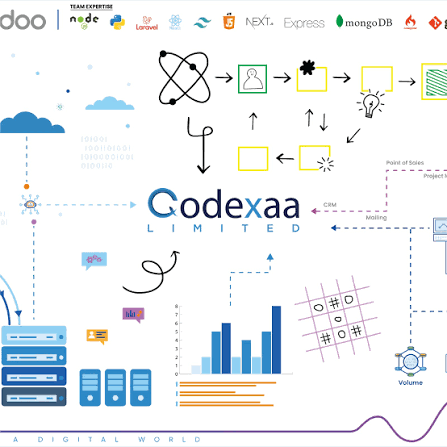
🌐 The Blueprint for Digital Transformation: True modernization goes beyond installing isolated software tools; it requires building a comprehensive, interconnected digital ecosystem. When your front-end customer interfaces, internal workflows, and back-end databases share information flawlessly in real time, your leadership gains the sharp data insights required to make faster, smarter business decisions.
Best Practices for Implementing an IT Infrastructure
- Align Tech with Specific Business Goals: Avoid adopting technology simply for the sake of trends. Clearly identify your organization's primary operational friction points—whether in supply chain, client management, or finance—and deploy targeted solutions that address those gaps.
- Prioritize Responsive User Experiences: Ensure that all client-facing digital assets, such as mobile apps and websites, are built on fast, responsive, and intuitive frameworks to maximize engagement and customer satisfaction.
- Partner with Certified Engineering Experts: Successful deployment requires deep architectural knowledge. Collaborating with an experienced, end-to-end technical partner like Codexaa Software Limited ensures that your systems are engineered with precision, backed by reliable post-launch support, and optimized for maximum long-term return on investment.
Closing Thoughts
Clinging to legacy, unautomated workflows limits an enterprise's market competitiveness and leaves it exposed to operational and security risks. Implementing tailored, scalable IT solutions eliminates administrative bottlenecks, hardens your data defenses, and builds the agile infrastructure necessary to drive continuous business growth.